Food Studio / Organic
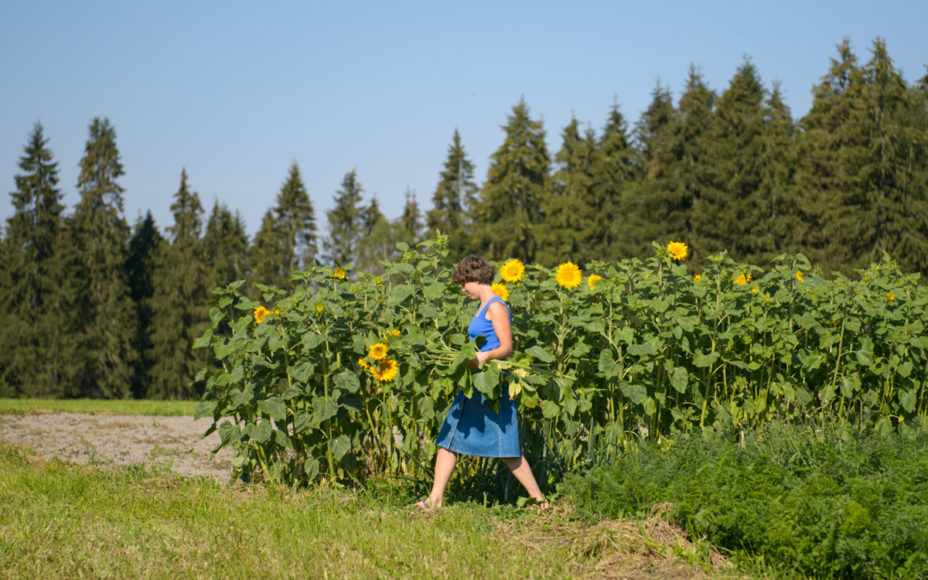
You know it is the month of August when the days are sunny and warm, but the nights remind us that it won’t be long till the leaves turn yellow and orange. This is the time to harvest the fresh, delicious vegetables the soil has produced over the summer. On our Summer Get Away, we travelled to Lislerud farm to do just that.
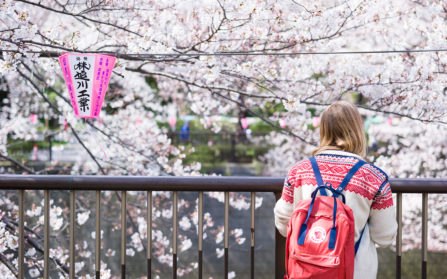
In the spring of 2015, Food Studio finally fulfilled a long time dream: to travel to Japan. Since the start of Food Studio, a lot of positive reactions came from this side of the world, and we were excited to meet everyone in person.
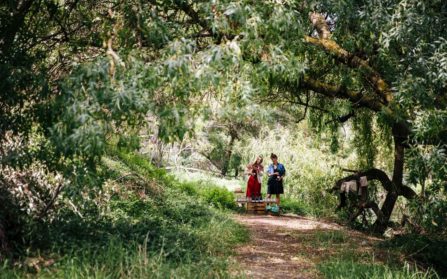
I live on the Merri Creek, in the inner northern suburbs of the city of Melbourne. Most days I cross the creek, or at least glimpse its waters from afar. I look for changes in the water level, in the clarity, in the speed of the flow.
In the spring of 2015, Food Studio travelled to Melbourne to explore Merri Creek and its long and compelling food growing history. During the Melbourne Food & Wine Festival 2015, we teamed up with Harding Street Garden, CERES, local food hero Matt Wilkinson and our guests to contemplate the food we eat and how it is produced.
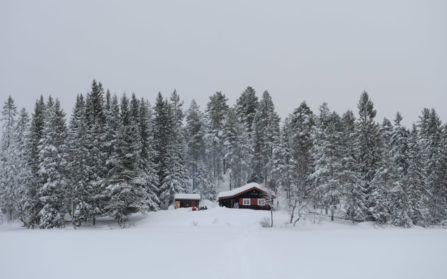
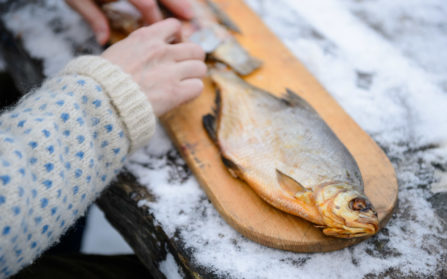
Winter is a difficult season for finding food. Still, it gives you a few advantages – things are easier to preserve, for instance. And if you work hard enough, you might just find enough for a hearty meal deep within the snowy woods.
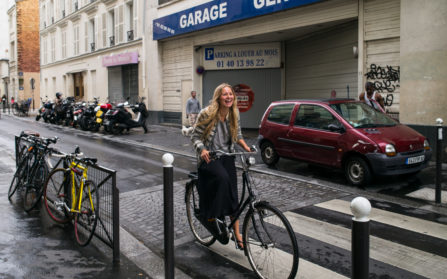
Cecilie Dawes, the founder of Food Studio, was interviewed by the Field Guide on the occasion of the Melbourne Food & Wine Festival 2015. Read about how Food Studio came to be and our plans for what's to come!
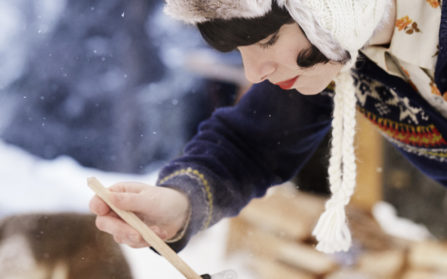
In December 2014, we appeared in the Christmas issue of Bon Appétit, one of North Americas best known and respected food and lifestyle magazines, together with Halvor Digernes from Fuglen Oslo who served an aquavit toddy, Anders Braathen from Smalhans who prepared the menu and Tim Wendelboe's crew who served coffee in style.
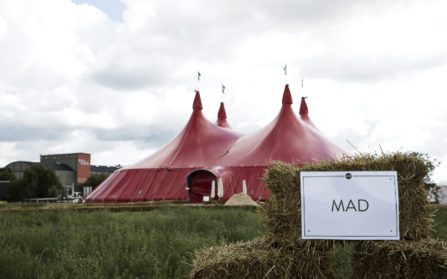
MAD is sharpening the knives, mobilizing chefs from all over the world to use their powers both inside and outside the kitchen. Fighting for social sustainibility, a better distribution of resources and a change in the economical structure. At the 4th MAD symphosium in Copenhagen, the pot was boiling around some very important questions; «What's Cooking? What's Changing? What's Not Working?»
Thomas Harttung, the man Time magazine calls a hero of the environment, presents a few ideas for how cooks can help improve our food systems at MAD 2015.